
The Illusion of Easy Answers

Years ago, I read a book on globalization called Runaway World by Anthony Giddens. Much in that book was mind-opening for me, but what I remember most of all was Giddens’ description of a new era of what he called “manufactured risks.”
Throughout much of human history, risk has been limited to natural causes. You may die at the hands of a predator, for example, or a virus. Rock slides are threats, as are avalanches and river rapids. But in an increasingly globalized modern world, we’re dealing with risks of our own making. Oil spills, ozone depletion, microplastics.
Our world is profoundly more dangerous, and it’s mostly our fault.
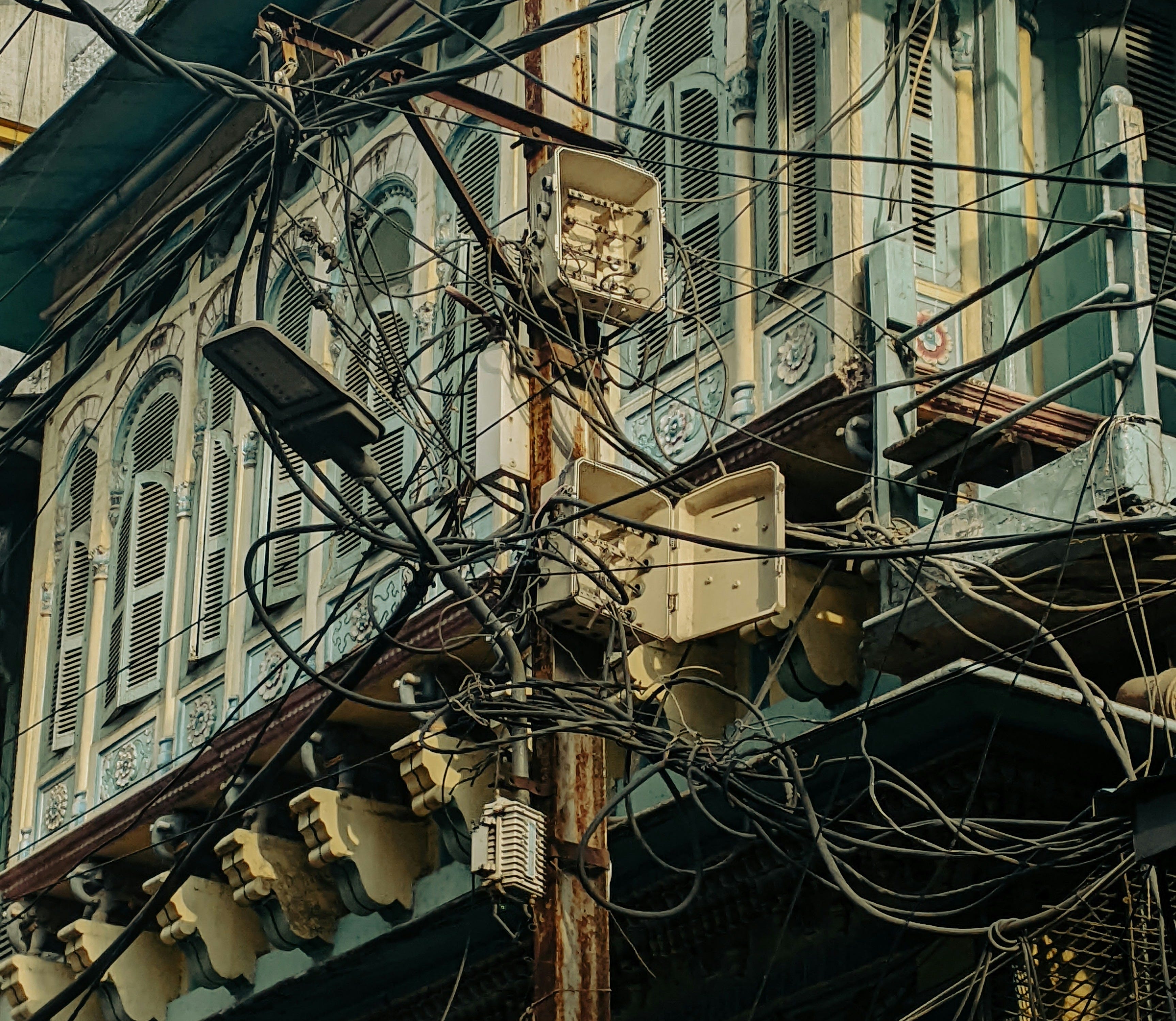
So…we are feeling a sense of being overwhelmed for very good reason. We are living, as Giddens says, in a runaway world, where our own choices are creating risks we can’t even imagine or comprehend, much less prevent. We can’t weigh the risks, because we’re already way too far over our skis. (This is depressing and I’m sorry. A little hope coming below.)
This is a direct consequence of our short-term thinking, where we have designed things (cars, industrial farming, AI) without considering the kind of world we’re making for the next generations, and whether it’s a sustainable one or not. (God forbid we also ask if it’s a good one or not, if it’s morally sound or judicious, if it’s the kind of world we want to create, in the grand scheme.) There is a very real streak of Dr. Jekyll in our Western collective ambition, and all of us are now beholden to the Mr. Hyde we’ve created.
This is the cold hard truth of our current complexity. I suppose that’s why it feels so jarring to be reminded of global complexity’s dangerous shadow: the easy answer.
Keep reading with a 7-day free trial
Subscribe to Dabhar: Word and World with Danielle Shroyer to keep reading this post and get 7 days of free access to the full post archives.